November Health Focus: World Diabetes Day
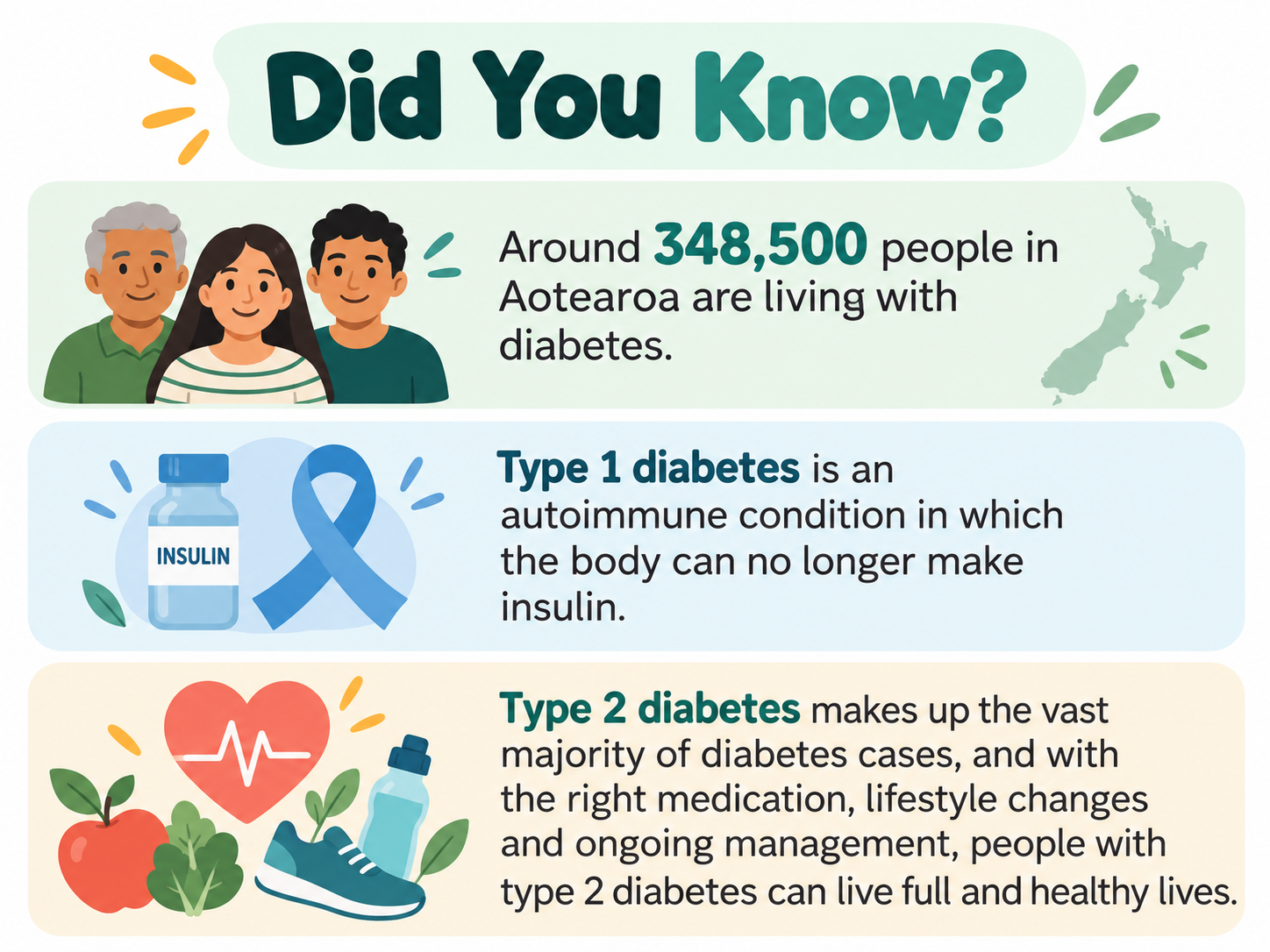
Diabetes is common in Aotearoa, and type 2 diabetes can sometimes develop without obvious symptoms. Knowing your risk, keeping up with recommended blood tests, and making small changes early can all make a real difference.
Things worth mentioning to your clinician include:
- feeling much thirstier than usual
- needing to urinate more often
- unusual tiredness
- blurred vision
- cuts or infections that are slow to heal
- unexplained weight loss
You may also be at higher risk of type 2 diabetes if it runs in your family, if you have high blood pressure, have previously had gestational diabetes or pre-diabetes, or are in a higher-risk age or ethnic group.
A simple blood test can help check for diabetes. If our healthcare assistant or one of our nurses contacts you to let you know you are due for a blood test or annual diabetes review, please book when you can. These checks help us see how things are tracking and whether any extra support would be useful.
Living well with diabetes is about more than numbers. Healthy eating, regular movement, medication where needed, and support from your healthcare team can all help.
Support is available if you would like help making changes to your health. Our Health Coach, Lee, can work with you on practical lifestyle goals, and we can also refer eligible patients to Marlborough’s free Green Prescription programme for extra support with physical activity and healthy lifestyle changes.
For more information about diabetes, reducing your risk and living well with diabetes, visit Diabetes New Zealand.
Diabetes Explained: The Everyday Basics
Whether you live with diabetes yourself, know someone who does, or simply want to understand it better, diabetes management can involve a lot more than people realise.
Depending on the type of diabetes and the treatment being used, day-to-day care may include monitoring glucose levels, taking medication or insulin, making food and activity choices, attending regular health checks, and knowing what to do when glucose levels go too high or too low.
Understanding Blood Sugars
Blood sugar, or blood glucose, is a type of sugar that circulates in your blood and provides energy for your body. It mainly comes from the carbohydrates you eat, which are broken down during digestion and released into the bloodstream as glucose.
Your body uses a hormone called insulin to help move glucose from the blood into your cells, where it can be used for energy. For people living with diabetes, this process does not work as effectively, leading glucose to build-up in the bloodstream.
Some people check their glucose with a finger-prick meter, while others use a Continuous Glucose Monitor, or CGM, which is a small sensor worn on the body (usually the back of the upper arm) that tracks glucose levels throughout the day. Rather than giving just one reading, it can show patterns and trends, including how glucose responds to food, exercise, sleep, illness and medication.
Another number you may hear mentioned is HbA1c. This is a blood test that gives an overall picture of how glucose levels have been tracking over the previous few months.
When Blood Sugars Go Too High or Too Low
Blood sugar levels naturally rise and fall throughout the day, but for people living with diabetes they can sometimes move outside a safe range.
A low blood sugar, or hypo, can come on quickly. Common signs include: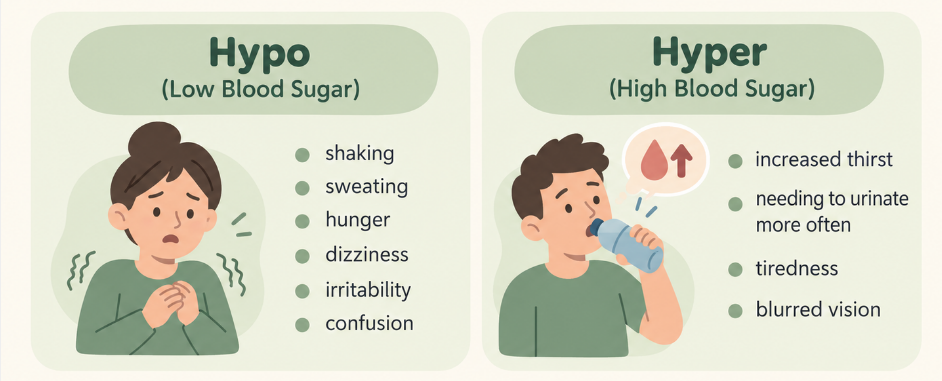
- shaking
- sweating
- hunger
- dizziness
- irritability
- confusion
A high blood sugar, or hyper, may cause:
- increased thirst
- needing to urinate more often
- tiredness
- blurred vision
People living with diabetes will usually have their own plan for managing highs and lows, depending on their medication, insulin and usual glucose targets. Not all diabetes medications cause low blood sugar – if you are unsure about the medication you are taking, please ask your clinician.
For friends and whānau, simply recognising that someone may be having a hypo or hyper can be really helpful. If someone with diabetes becomes very confused, drowsy, collapses or has a seizure, call 111.
Keeping Track: HbA1c, Finger-Pricks and CGMs
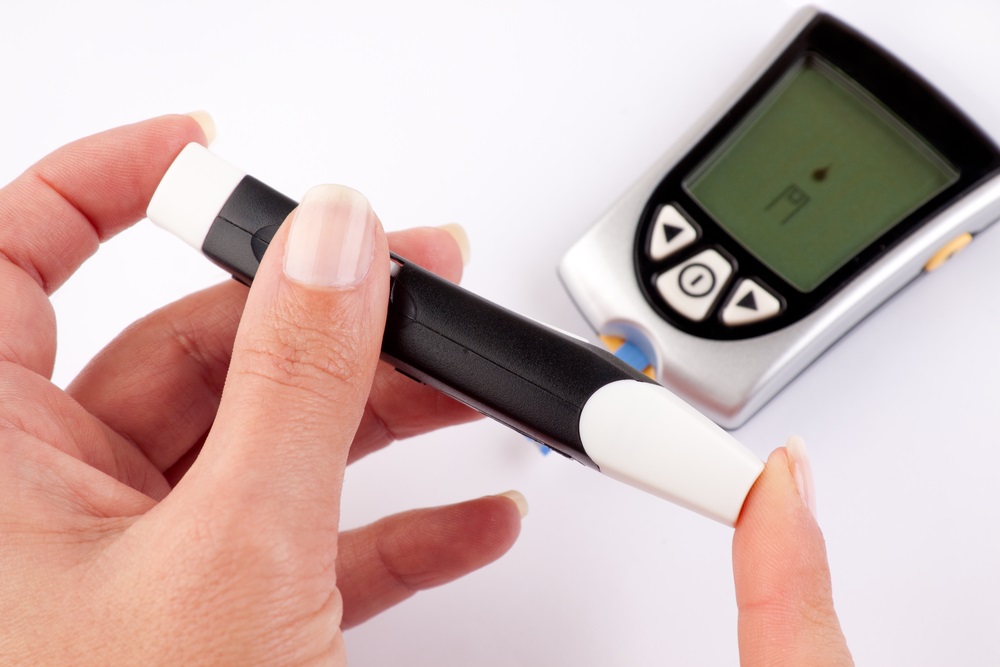
There are a few different ways people living with diabetes may keep an eye on their blood sugars.
A finger-prick test gives a blood sugar reading at that moment in time. This can be useful for checking how levels are tracking during the day, especially around meals, exercise, illness or medication.
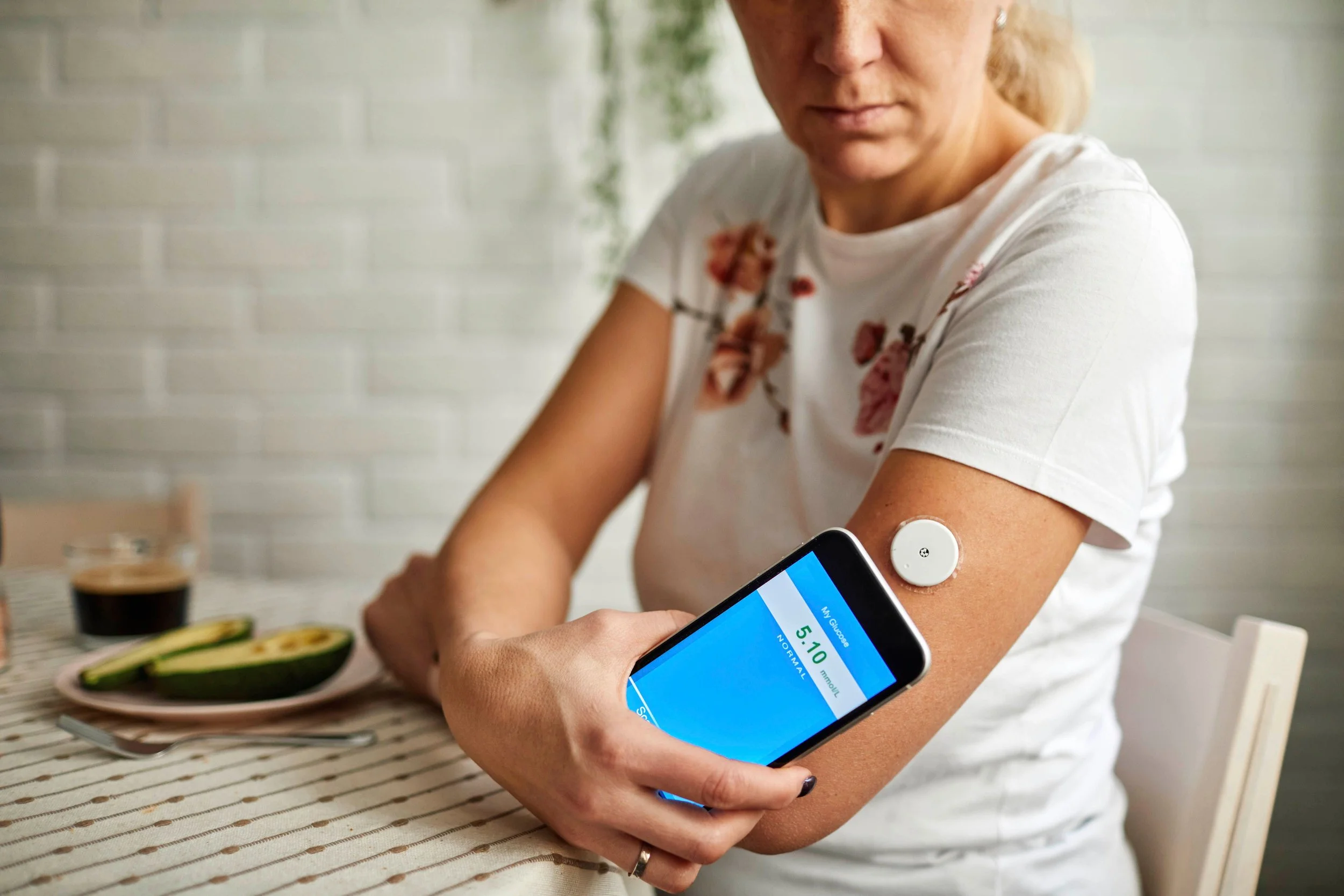
A Continuous Glucose Monitor, or CGM, is a small sensor worn on the body that checks glucose levels throughout the day and night. It can show patterns and trends, and may help people see how their blood sugars respond to things like food, activity, sleep and stress.
HbA1c is a little different. It is a blood test that gives an overall picture of average blood sugar levels over the previous few months, so it is often used as part of regular diabetes reviews.
Not everyone with diabetes will use the same type of monitoring. What works best depends on the type of diabetes, treatment plan and individual needs.
More Than Just Blood Sugar
Diabetes care is about much more than glucose readings.
Regular checks can help pick up changes early and reduce the risk of complications. Depending on the person, this may include:
- blood pressure checks
- cholesterol
- kidney function
- eye screening
- foot checks
- medication reviews
Things like sleep, stress, illness, exercise, food and alcohol can all affect blood sugars too, so diabetes management can look a little different from one day to the next.
The aim is not to get everything “perfect”. It is about understanding your own patterns, keeping up with the checks that matter, and having the right support around you.
Our Little Library on Lister Court
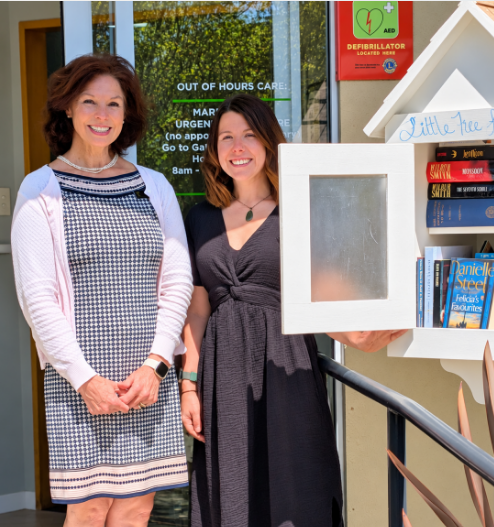
You may have noticed our little community library just outside the front door of The Practice.
The library was built by our local Menz Shed and installed by Isaac, owner of Anapos Pool & Spa Services who also happens to be part of The Practice whānau as the son of Nurse Carrie and Dr Eric. We’re very grateful to everyone who helped bring this little project to life.
Our book swap is there for everyone to enjoy, whether you’re one of our patients or simply passing through Lister Court.
Feel free to borrow a book, swap one for something new, or donate a book you’ve finished with. There’s no need to check anything in or out. Just take a book, leave a book if you can, and help keep the stories circulating through our local hapori.
From Our Kitchen: November Recipe of the Month
Keeping with this month’s Diabetes Action Month theme, our November recipe comes from Diabetes New Zealand’s diabetes-friendly recipe collection (and also makes a great dinner option for these warmer evenings!).
Chicken with Avocado Salsa
Ingredients:
500g skinless and boneless chicken breasts
Chilli powder, freshly ground pepper and 2 tablespoons of Sumac* powder (optional) mixed together
1/2 cup chunky tomato salsa
1 ripe avocado
1 tblsp fresh lime (or lemon) juice
1 chopped tomato
2 spring onions, thinly sliced
4 heated tortillas or salad leaves
Method:
Dip chicken breasts into the spice mix and coat all over. Drizzle or spray very lightly with olive or avocado oil. Grill chicken till juices run clear. (Chicken can also be baked).
Peel, seed and chop avocado. Mix with lime (or lemon) juice in a medium bowl. Add tomato, green onions and salsa. Mix all together gently.
Slice cooked chicken, lengthwise into thin strips and arrange on tortillas. Top with salsa.
If not using tortillas, arrange chicken and salsa mix on salad leaves and serve immediately.
For more diabetes-friendly meal and snack ideas, visit Diabetes New Zealand’s recipe collection.